




What is scent stacking? A guide for people who already own too many candles
Scent stacking is the practice of wearing or using more than one fragrance at the same time to create something personal — a combination unique to you. Pinterest named it a top 2026 trend. Cosmetics Business lists it as one of the year's five biggest shifts in fragrance. If you own more than three candles and a couple of perfumes, you're already doing a version of it, probably badly. Here's how to do it on purpose.
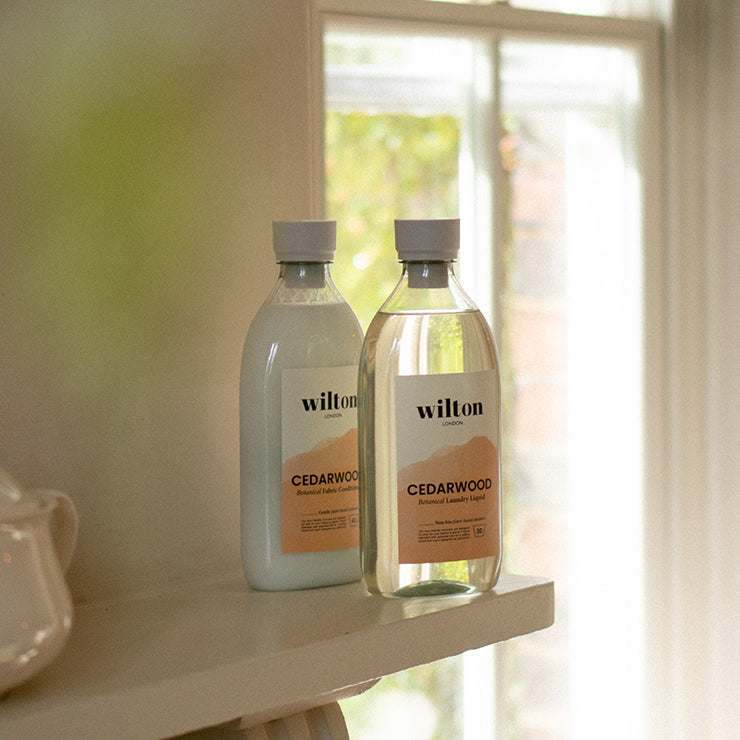
I'm Sam, founder of Wilton. I'm going to write this from the perspective of someone who started a fragrance brand because his house smelled brilliant from a candle and terrible from the laundry. Most scent-stacking guides treat this as a perfume technique. It's a whole-home approach — and the bit nobody's talking about is fabric.
What is scent stacking, in plain English?
Scent stacking — also called scent layering or building a fragrance wardrobe — is using two or more fragrances together so they combine into something more interesting than either one alone. The trend grew out of niche perfume culture, where wearing one "signature scent" forever started to feel restrictive. Now it's mainstream: people layer body oils with perfumes, swap their scent by time of day, and build small fragrance libraries for different moods.
The principle is borrowed from perfumery itself. A finished perfume is already a stack — base notes, heart notes, top notes, all working together. Scent stacking just extends that idea out of the bottle and across the whole rest of your life. Body care, hair, perfume, candles, laundry, room sprays. Each layer a deliberate choice.
Why has scent stacking become a 2026 trend?
Two reasons. First, fragrance got niche. The last five years saw an explosion in independent perfumers, discovery sets, sample programmes, and TikTok scent communities. People who used to own one bottle now own six. Once you own six, the obvious next move is mixing them.
Second, the idea of a single signature scent stopped feeling true to how people actually live. Stylist quoted perfumer Persolaise this year saying he expected "more is going to be made of spraying on both skin and fabric." The whole conversation is moving away from "what's your one scent" toward "what's your fragrance wardrobe across the day, the week, the room." Pinterest Predicts 2026 called scent stacking out by name. Cosmetics Business put it in the top five trends of the year. It's not a niche thing any more.
How does scent stacking actually work?
Think in three layers, the same way a perfumer does.
Base — the layer everything sits on
The longest-lasting, most consistent fragrance in your stack. At home, that's almost always your laundry — fabric is the largest scented surface in any room, and a properly formulated detergent and conditioner release fragrance for one to two weeks per wash. On skin, the base layer is your body oil or moisturiser. Pick one fragrance family for your base and stick with it. Switching weekly is what makes a house — or a person — smell muddled.
Heart — the mood layer
The fragrance that sets the room. At home, that's your candles and diffusers, lit when you want a specific atmosphere. On skin, it's your perfume. The heart layer should share a note with your base so the two read as related, not competing. If your laundry base is woody, your candle should have a woody note in it too — not necessarily the same scent, just the same family.
Top — the lift
Short, bright, used in moments. Linen sprays before guests arrive. Room mists. A spritz of cologne before you leave the house. These evaporate fast, so they're the place to play and experiment — citrus, neroli, green herbs, light florals. A mismatch at the top is forgivable in a way a mismatch at the base isn't.
What's the biggest mistake people make with scent stacking?
Over-stacking. Most people aren't under-fragranced — they're over-fragranced from too many directions. Candle from one family, plug-in from another, fabric softener from a third, perfume from a fourth, laundry detergent from a fifth. None of them designed to work together. The result is a house that smells of fragrance generally, which is not the same as a house that smells of something in particular.
The fix for most people is subtraction, not addition. Audit what you've got. Pick one family — woody, floral, aromatic, fresh — and pull everything that doesn't fit it. You'll end up with three or four scent sources that actually harmonise. That's a stack. The version where you keep adding more layers is just clutter.
Where does laundry fit in a fragrance wardrobe?
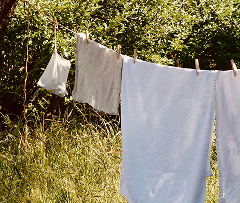
Laundry is the most under-used layer in home fragrance, and it should be your foundation. Here's the case for it: every other fragrance source in your house is sporadic. You light a candle for two hours. You spray a room mist before guests. You light a diffuser for a few weeks. Laundry, by contrast, is always there — sheets you sleep on for eight hours a night, towels you press to your face every morning, t-shirts that move with you all day. It's the only fragrance source in the house that runs 24/7.
If your laundry is unscented or scented with something from a different family to everything else in your home, you're working against your own stack. If it's the base note everything else builds on, you're working with it. The big shift in 2026 is people noticing this.
A simple way to start scent stacking at home
You don't need to buy anything new to start. Three steps:
One. Walk around your home and write down every fragranced product you can find. Candles, diffusers, sprays, laundry products, hand soap, body care, perfume on your dresser. Most people are surprised by the list.
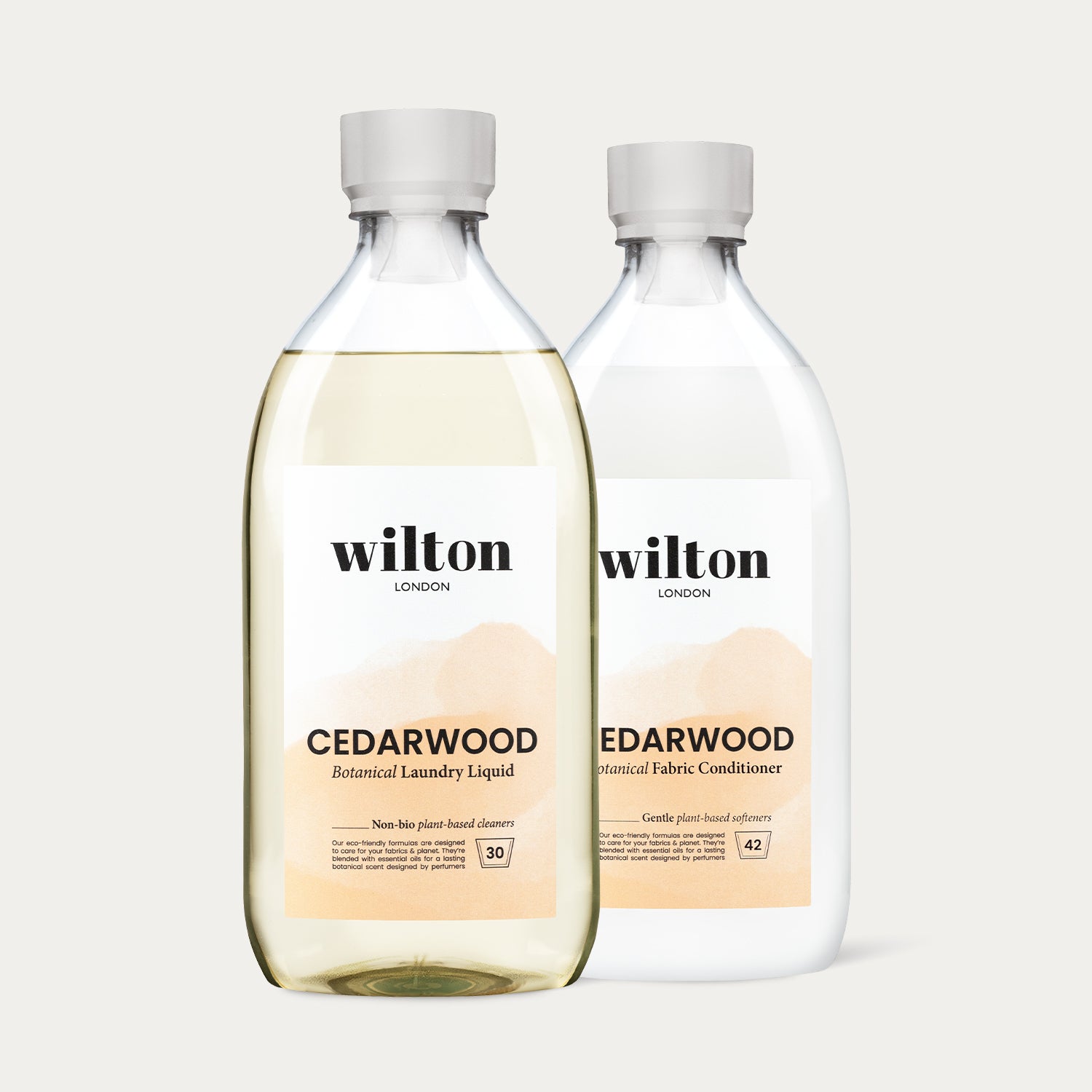
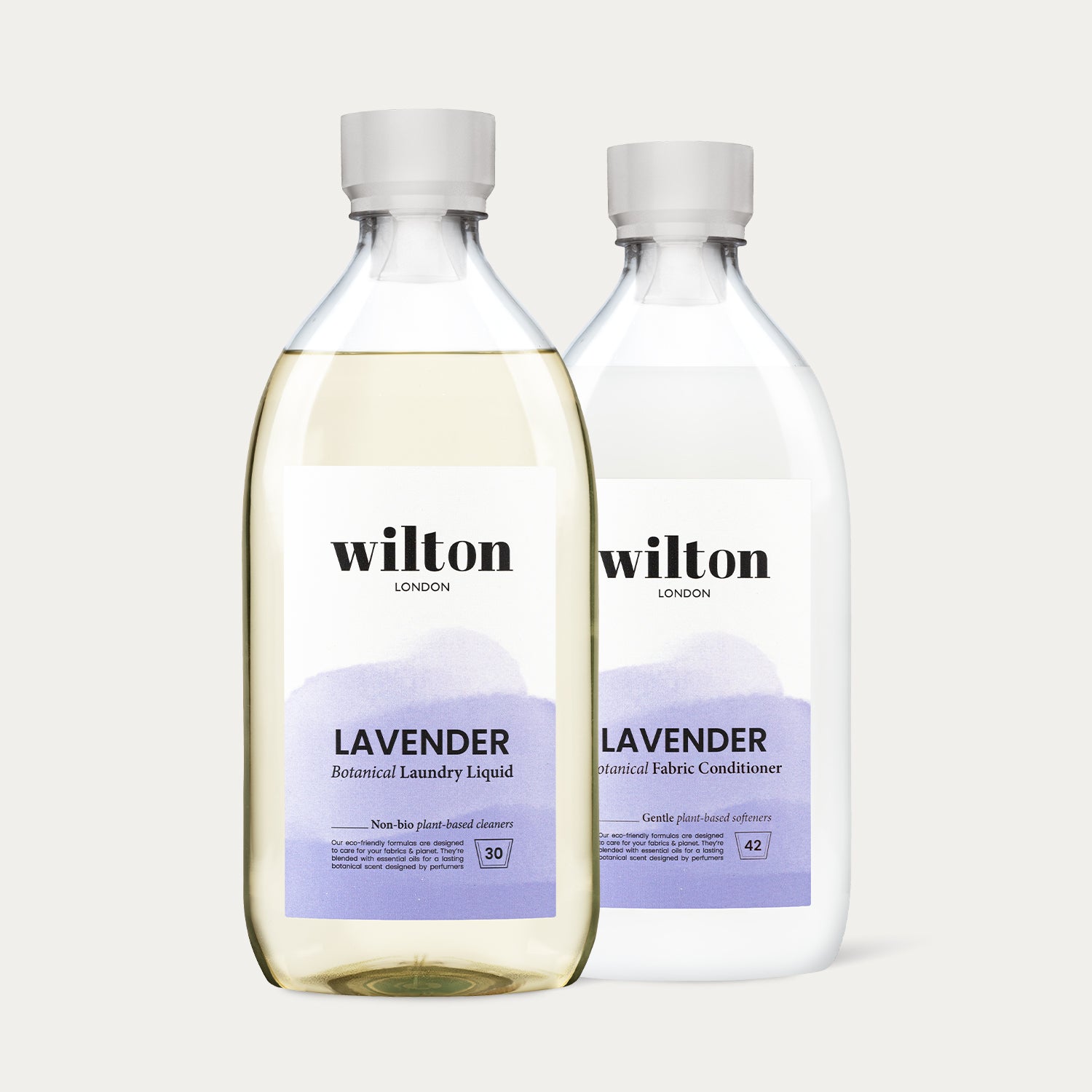
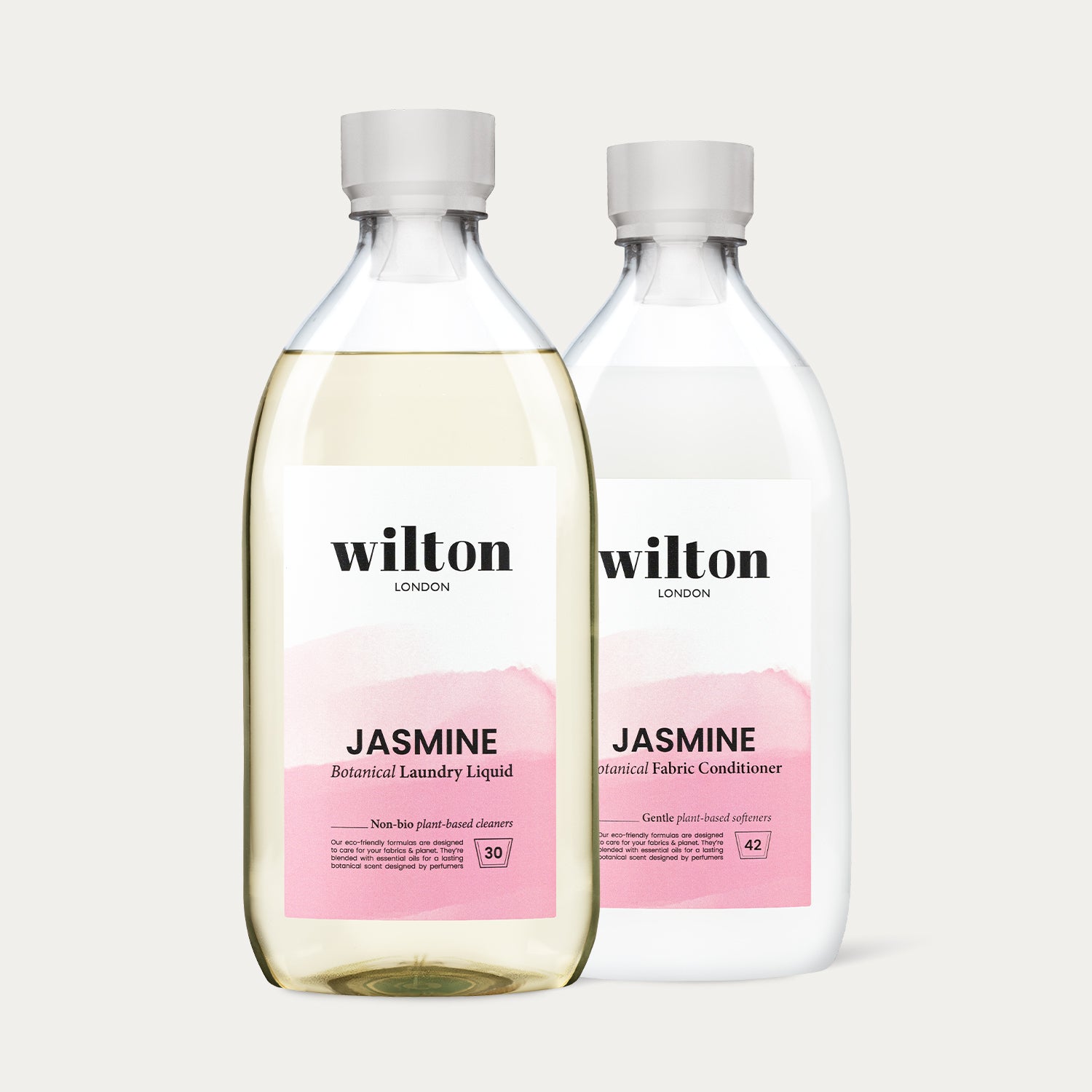
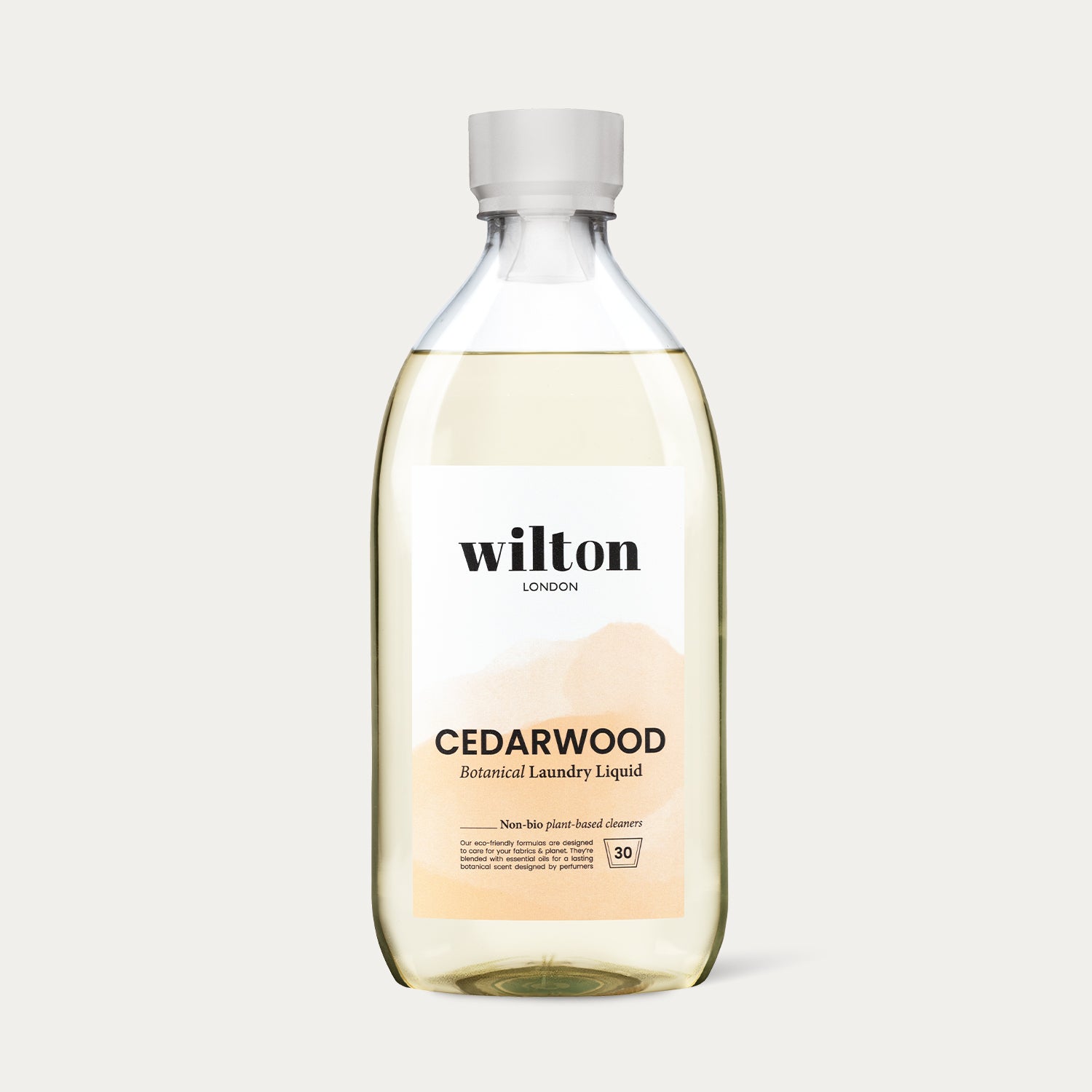
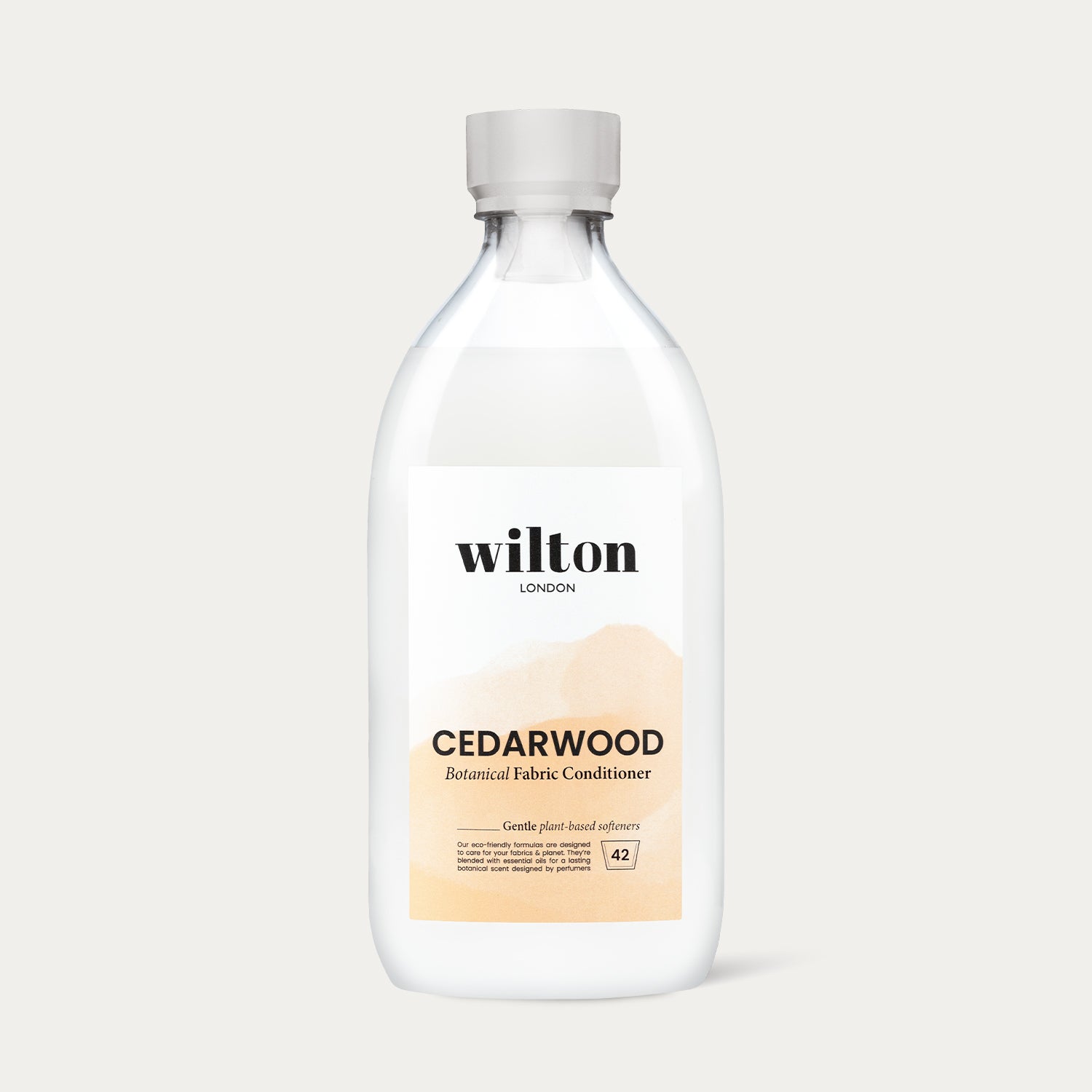
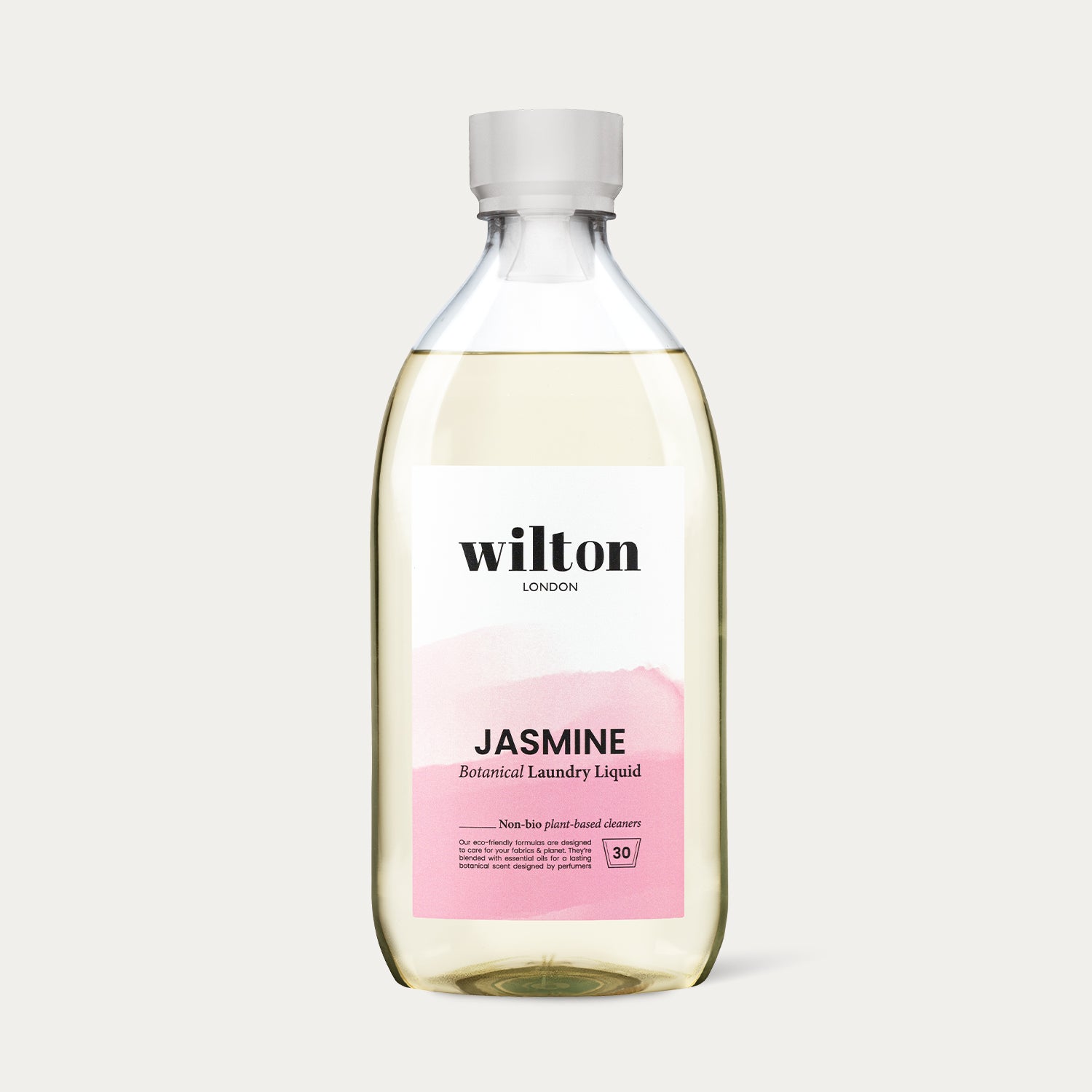
Two. Sort them into rough families. Woody (cedarwood, sandalwood, vetiver). Floral (jasmine, rose, neroli). Aromatic (lavender, rosemary, eucalyptus). Fresh (citrus, sea salt, green leaves). Gourmand (vanilla, tonka, coffee).
Three. Pick the family with the most overlap and remove the outliers. Replace the outliers gradually with things that fit. Start with the base — your laundry — because it touches everything else.
Take our scent quiz — ninety seconds, surprisingly accurate.
FAQs
What does scent stacking mean?
Scent stacking, also called scent layering or building a fragrance wardrobe, is using two or more fragrances at once to create a combined scent that feels more personal than any single one alone. Pinterest named it a top 2026 trend. It can be done across perfume, body care, home fragrance and laundry — the goal is for every element to share a family and work together rather than compete.
How many fragrances should you layer?
Two or three is the sweet spot. A base note from one source (laundry or body care), a heart note from another (candle or perfume), and optionally a lighter top note (room spray or cologne) to lift it. More than three layers usually starts to muddle into general fragrance rather than something distinctive.
Is scent stacking the same as building a signature scent?
Not quite. A signature scent is one fragrance you wear consistently. A fragrance wardrobe — built through scent stacking — is a small library of scents you combine in different ways for different moods, seasons or moments. The wardrobe model is what's replacing the signature scent in 2026.
Does scent stacking work with laundry?
Yes — laundry is one of the best places to start because it acts as the base note of your home fragrance wardrobe. Fabric is the largest scented surface in any room, and a properly formulated detergent and conditioner release fragrance for one to two weeks per wash. That makes it the longest-lasting and most consistent layer in any home stack.
How do I know if my fragrances are clashing?
If you walk into your house and the scent hits you immediately rather than revealing itself slowly, you're probably clashing or over-stacked. A well-built fragrance wardrobe should be the thing guests notice an hour in, not the moment they open the door. The fix is usually to remove one or two sources rather than add another.